
When discussing the spare parts of a commercial vehicle, the engine is undoubtedly a pivotal one. Today, we would like to invite you to learn about your engines via three perspectives: why they are important, what they are made of, and what types they have.
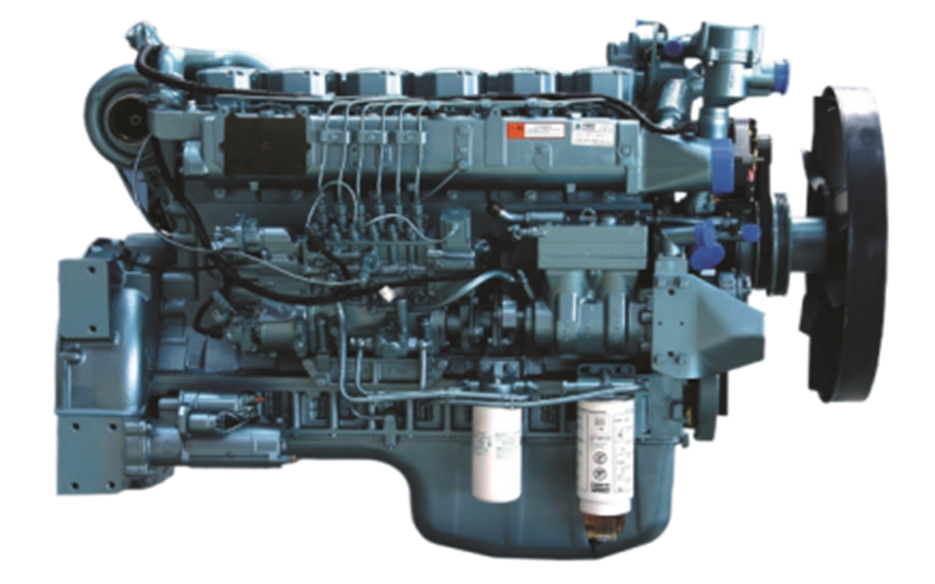
Importance of Commercial Vehicle Engines
- Power a wide range of vehicles, including trucks, buses, and vans.
- Enable efficient transport of goods and passengers.
- Critical to logistics, supply chains, and service delivery.
- Advanced engineering improves fuel efficiency and load capacity.
- Lower operational costs for businesses.
- Emissions standards drive innovation toward sustainability.
- Engines are central to economic activity and transportation infrastructure.
Key Components of Commercial Vehicle Engines
- Cylinders: Site of fuel combustion and power generation.
- Pistons: Convert combustion energy into mechanical motion.
- Crankshaft: Translates piston movement into rotational force.
- Valves: Control intake and exhaust for engine efficiency.
- Supporting systems: Fuel, cooling, and electrical systems ensure durability and performance.
- Component integration is essential for reliability under demanding conditions.
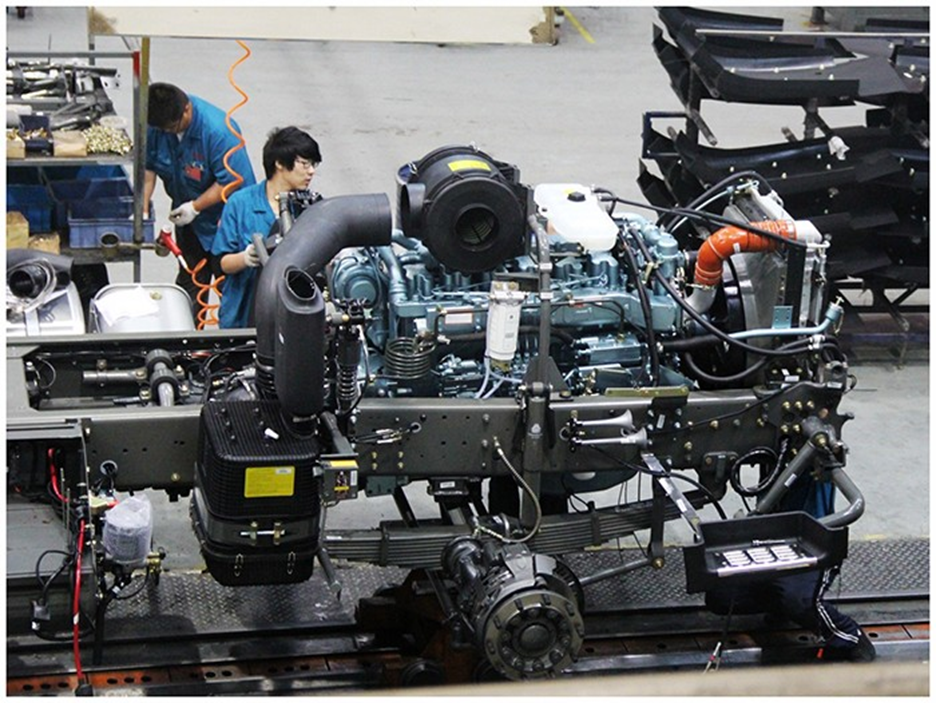
Types of Commercial Vehicle Engines
- Diesel Engines:
- High torque and fuel efficiency.
- Ideal for heavy-duty and long-haul applications.
- Common in trucks, buses, and construction vehicles.
- Gasoline Engines:
- Used in lighter vehicles like vans and delivery trucks.
- Smoother operation and lower initial cost.
- Suitable for urban driving.
- Alternative Fuel Engines:
- CNG Engines: Cleaner than diesel, lower emissions.
- Electric Engines: Growing adoption due to battery advancements, which support sustainability and reduce environmental impact.