
Upshifting and downshifting are crucial driving techniques for changing gears of large van trucks. Effective upshifting and downshifting can improve the lifespan and safety of your vehicles as well as save fuel consumption. Scroll down to learn the essentials of the techniques.
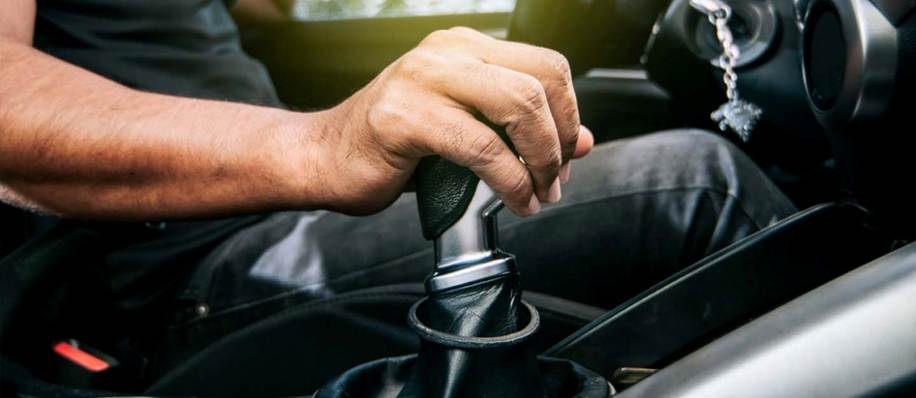
Concepts
Gear: Different ratios in the transmission. Low gears (e.g., 1st, 2nd) provide high torque but at low speed; high gears (e.g., 8th, 10th) provide low torque but at high speed.
Upshifting: The process of changing from a lower gear to a higher one (e.g., from 5th to 6th). The goal is to reduce engine speed (PRM) after gaining momentum, which saves fuel and allows for efficient cruising.
Downshifting: The process of changing from a higher gear to a lower one (e.g., from 6th to 5th). The goal is to increase engine speed (PRM) to gain more power for climbing or overtaking, or to use engine braking.
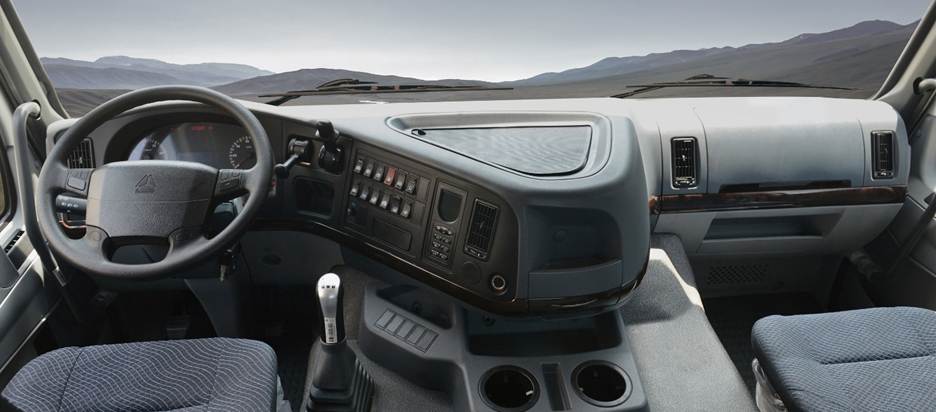
Upshifting
Purpose
Fuel Economy: Maintaining speed at a lower RPM significantly reduces fuel consumption.
Reduced Noise & Wear: Allows the engine to operate in a more efficient and comfortable RPM range.
Cruising: Maintains highway speed on flat roads.
Upshifting Moments
Engine Sound: The engine’s sound becomes deeper and louder, indicating it has reached sufficient RPM for shifting.
Tachometer: The most precise method. Modern trucks have an optimal “sweet spot” or economic RPM range (e.g., 1200 – 1500 RPM, or as the manufacturer recommends) for shifting. Shifting too early bogs the engine down, while shifting too late wastes fuel.
Feel: Experienced drivers can sense the vehicle’s momentum and know when to shift.
Upshifting Procedures
1. Press the clutch pedal fully.
2. Move the gear lever into the next higher gear (e.g., from 8th to 9th).
3. Smoothly release the clutch pedal while gently applying the throttle.
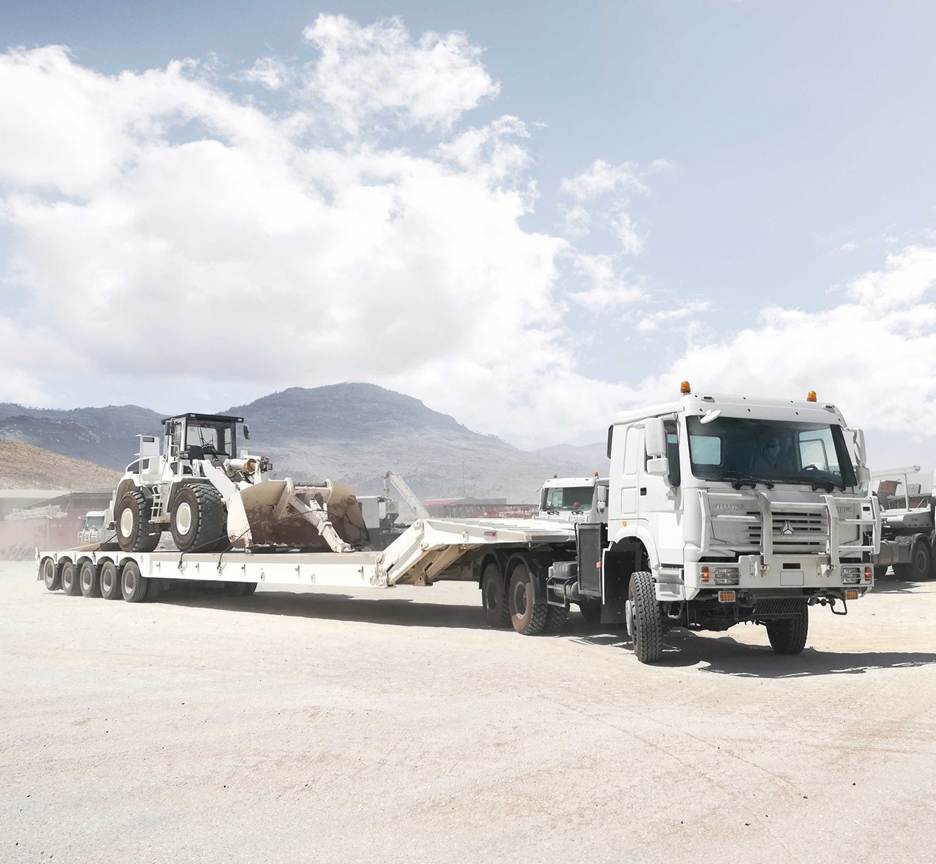
Downshifting
Purpose
Gain Power: Provides immediate power and torque for climbing hills, overtaking, or when the vehicle is heavily loaded.
Engine Braking: When descending a long hill, downshifting uses the engine’s compression to slow the vehicle. This is a critical safety technique that prevents the service brakes from overheating and failing.
Slowing Down: Matching the gear to a slower speed as you prepare to stop or navigate a hazard.
Downshifting Moments
Lack of Power: The engine feels strained, sounds sluggish, and the vehicle may vibrate.
Anticipating Terrain: When you see a hill ahead or need to prepare for a manoeuvre.
Descending a Grade: Before starting a descent, select an appropriate low gear to control speed.
Slowing Down: As your speed decreases, you must downshift to match the gear to your current speed.
Downshifting Procedures
1. Press the clutch pedal fully.
2. Blip the Throttle/Rev-Match: Briefly press the throttle to raise the engine’s RPM.
3. Move the gear lever into the next lower gear.
4. Smoothly release the clutch pedal.
An AMT transmission performs the rev-matching process automatically.