
The cabin (also referred to as the cab) of a commercial vehicle is the interior area where the driver sits and rests. It is a space designed for comfort and safety. The cabins vary significantly depending on the intended use, the size of the truck, and the designs of manufacturers. The main types include, but are not limited to, Day Cab, Sleeper Cab, Extended Cab, Crew Cab, Flatbed Cab, and Tipper Cab.
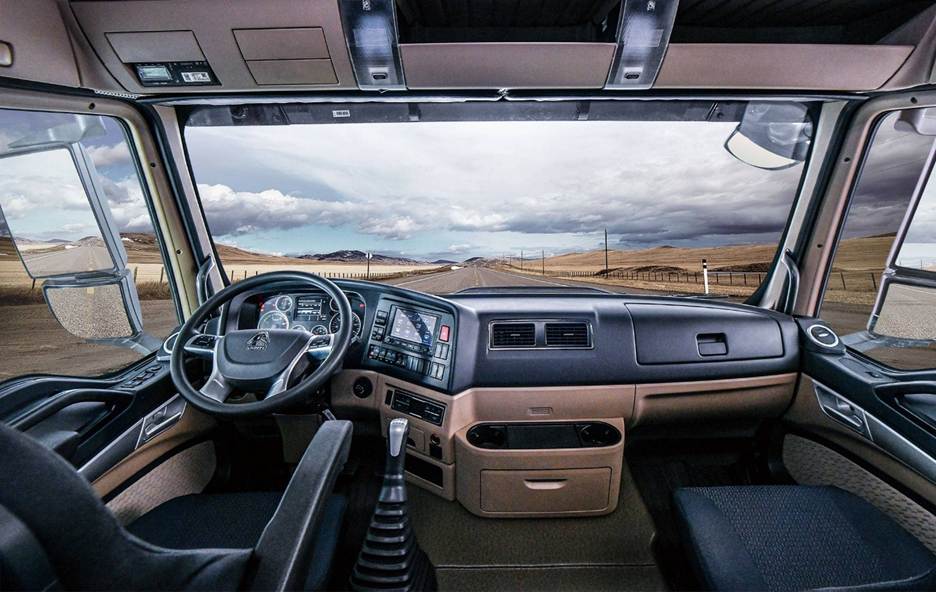
In this article, we introduce the cabin types from the perspectives of key characteristics, advantages, and disadvantages. Have a quick understanding by viewing the table below.
| Cab Type | Key Characteristics | Advantages | Disadvantages |
| Day Cab | No sleeper berthShorter wheelbaseLightweight | Fuel-efficientBetter visibilityEasy urban handling | No sleeping spaceLimited storage |
| Sleeper Cab | Includes a bedStorage compartmentsLarger size | Overnight comfortMore gear capacity | Higher costLower fuel efficiency |
| Extended Cab | Extra seating/storage behind front seatsShort bed option | More passengersFlexible for cargo and transport | Less comfort for long tripsLimited storage |
| Crew Cab | Four full-size doorsSeats 5–6 people | Ideal for crews/familiesSpacious cabin | Harder to manoeuvreLower fuel efficiency |
| Flatbed Cab | Flat, open cargo areaSuited for oversized loads | Easy loading/unloadingVersatile cargo options | No weather protectionSecurity risks for valuable items |
| Tipper Cab | Hydraulic tipping bedBuilt for heavy loads | Fast unloadingCustomizable for materials | High maintenance costsLimited to lose material transport |